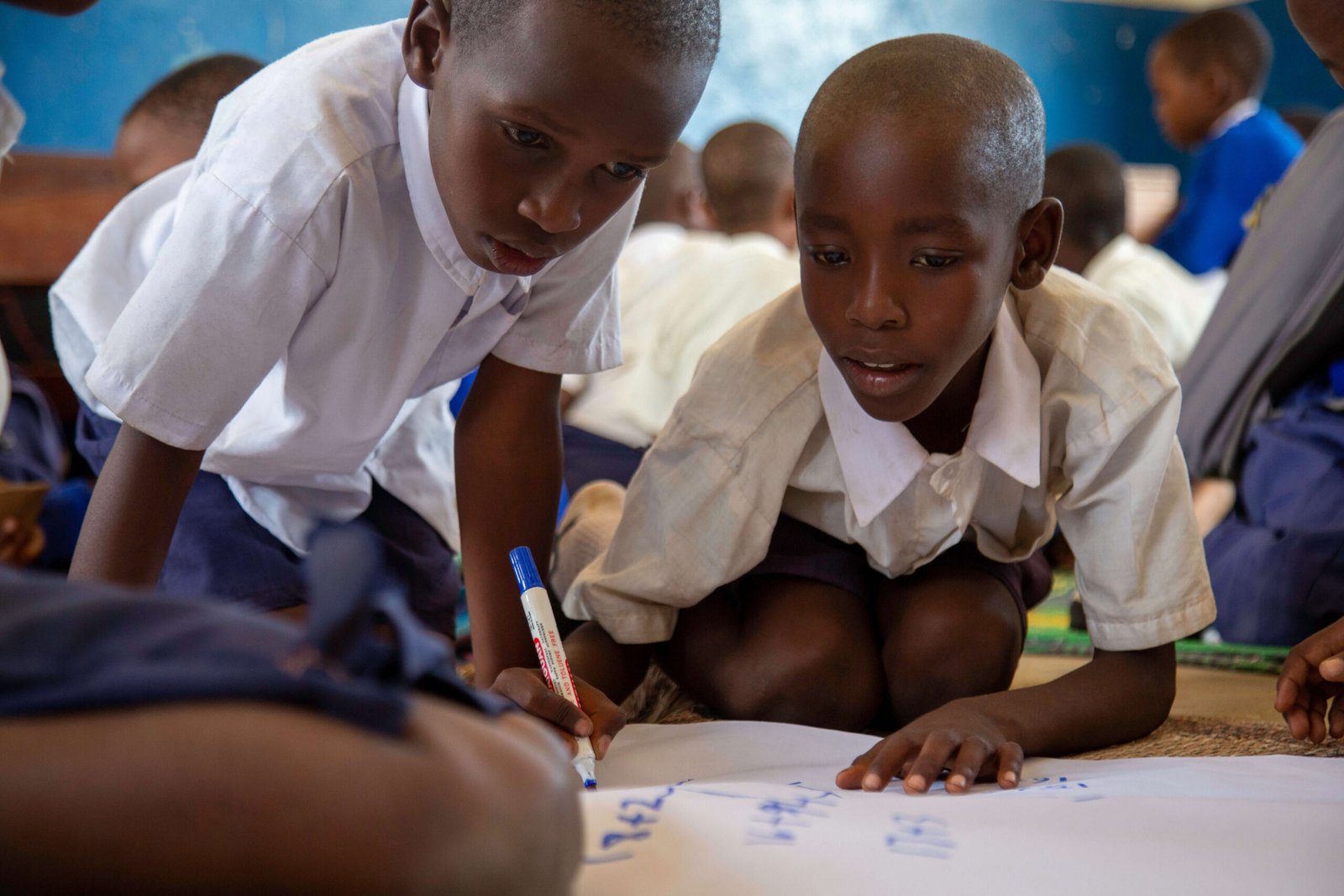
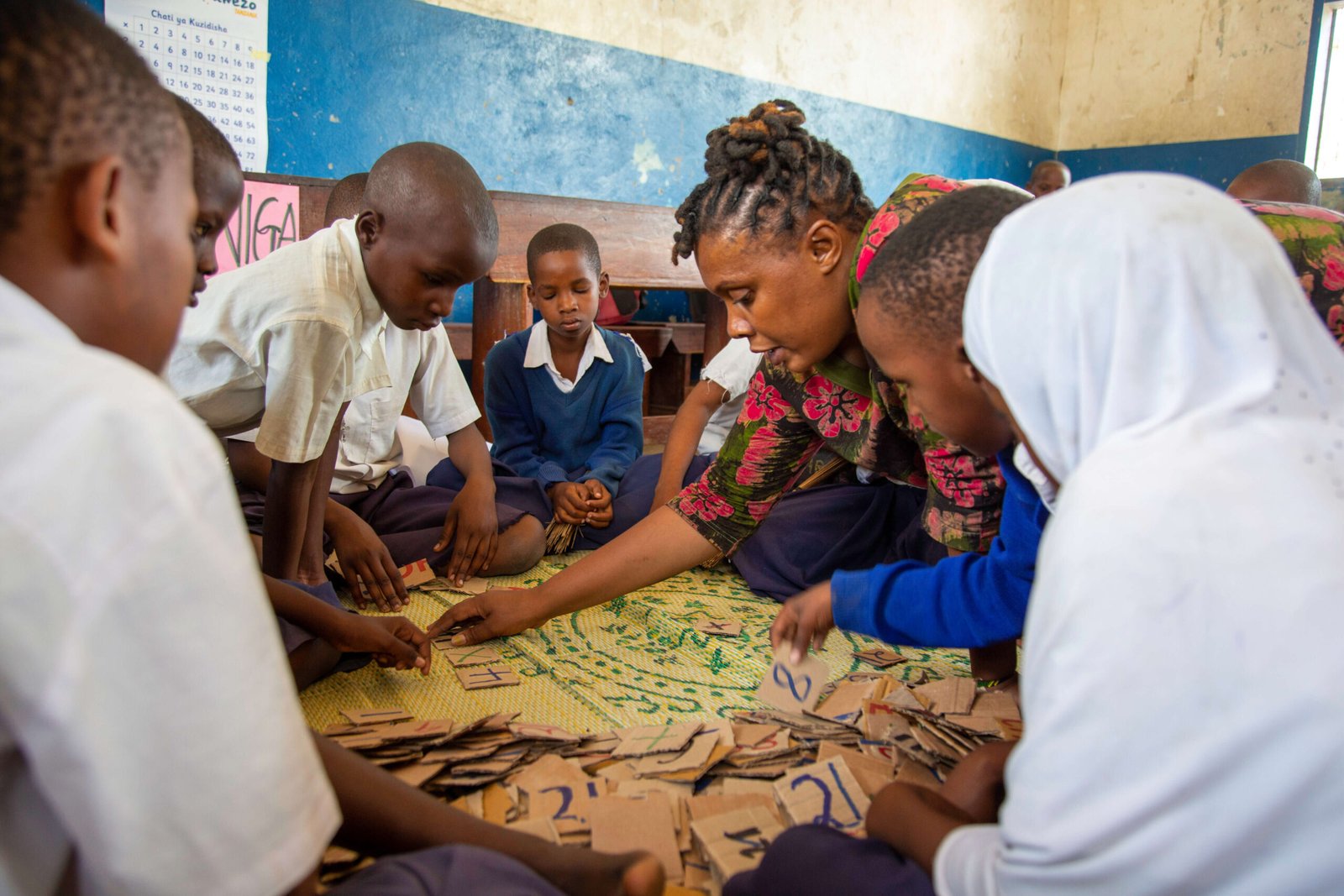
Strengthening Foundational Learning Measurement in East Africa: East African Education Experts Meet in Naivasha to Harmonise Regional Learning Assessments for the 2026 to 2030 Agenda NAIVASHA, Kenya, March 5, 2026 – The Foundational Learning and Assessments for Regional Agenda (FLARA), a consortium of three civil society organisations – Uwezo Uganda, Usawa Agenda, Uwezo Tanzania, has convened a team of high-level experts in region to harmonise citizen-led assessments in Kenya, Uganda and Tanzania. The one week workshop at Elmer Resort and Spa in Naivasha, Kenya brings together officials of national assessment bodies, curriculum development bodies, Ministries of Education, assessment experts, National bureaus of statistics and CSOs to commence a high-level Item Writing. The workshop represents a critical step in the FLARA Consortium’s mission to guide coordinated citizen-led learning assessments across the region for the 2026 to 2030 period. By translating the regional assessment framework into high-quality assessment tools, the consortium aims to generate credible, comparable learning data to support both regional education and continental efforts to strengthen foundational learning across Africa. The initiative aligns with the Africa Foundational Learning Framework, which calls for stronger regional cooperation to measure literacy, numeracy, and life skills among children in the early stages of schooling. The framework emphasises the importance of reliable learning data to guide education policy and accelerate progress toward Sustainable Development Goal 4. “This workshop is about more than writing test questions. It is about ensuring that the progress of our children is measured against standards that are globally recognised while remaining locally relevant,” said Baraka Mgohamwende, Executive Director of Uwezo Tanzania and Chair of the FLARA Consortium, during the opening session. Dr Emmanuel Manyasa, Executive Director of Usawa Agenda in Kenya and host of the event, emphasised the importance of regional collaboration. “By bringing together the state and non-state actors from our three countries, we are building a strong collaboration in line with the regional aspiration of harmonizing education systems for seamless movement of learners across our countries.” Dr Aimtonga Amani, FLARA Coordinator and Monitoring, Evaluation and Learning Advisor at Uwezo Tanzania, is coordinating the workshop. The programme follows a rigorous, output-oriented approach, with participants organised into specialised technical groups. Literacy Working Group: Led by Faridah Nassereka and Daud Siwalaze, the literacy teams are developing assessment items covering letters, syllables, words, and comprehension stories. Numeracy Working Group: Facilitated by Mr Boaz Ochi and Mr Charles Manyama, the numeracy group focuses on number recognition, place value, and culturally contextualised mathematical applications, including elements of ethnomathematics. Life Skills and Values Working Group: Led by Rebecca Pagel and Richard Mabala, this group is developing 120 assessment items on Respect and 60 items on Problem Solving, reflecting the growing emphasis on life skills and values in education systems across the region. A distinctive feature of the workshop is the direct collaboration between the FLARA technical team and government institutions, including representatives from Ministries of Education, curriculum development agencies, and national statistics offices across the three countries. This collaboration ensures that the resulting assessment tools, including child assessment booklets and administration guides, are aligned with national curricula and inclusive assessment principles. Beyond the technical development of assessment items, the workshop also contributes to a broader regional effort to strengthen education data systems across Africa. By generating comparable learning data across countries, the FLARA initiative aims to support governments and regional partners in tracking progress toward SDG 4 targets by 2030, strengthening accountability, and ensuring that education systems deliver meaningful learning outcomes for all children. By the conclusion of the workshop on March 8, 2026, the consortium expects to produce a populated regional item bank and a clear roadmap for pre-testing and piloting the tools across East Africa, laying the foundation for a new generation of citizen-led learning assessments in the region.
PRESS