
For years, Teacher Jackson Mkumbo faced a challenge that many mathematics teachers know all too well. As a mathematics teacher for Standards Six and Seven at Msasani Primary School, he watched students struggle whenever lessons required more than memorization. While many could remember formulas and procedures, they often found it difficult to apply what they had learned when faced with unfamiliar problems. Success in mathematics, Jackson believed, requires more than knowing the right answer. It requires critical thinking, analysis, and confidence. Yet many learners became discouraged when questions demanded deeper reasoning. "Many students naturally prefer simple tasks," Jackson explains. "The moment they encounter a question that requires them to think critically or analyze a situation, they begin to doubt themselves. Some would give up before even attempting to solve the problem." This pattern was especially evident in mathematics, where understanding the process is often more important than arriving at the correct answer. Jackson knew his students had potential, but they needed the confidence and skills to think independently. That began to change when Sawa Wanawake Tanzania, in partnership with Uwezo Tanzania, introduced Life Skills sessions at Msasani Primary School. The programme exposed learners to practical skills such as critical thinking, problem-solving, communication, cooperation, self-awareness, and decision-making. Although these skills were intended to help children navigate everyday challenges, Jackson quickly noticed that they were also transforming the way students approached learning in the classroom. "The programme came at exactly the right time," he recalls. "It helped students understand that education is not simply about memorizing information and repeating it during examinations. It is about learning how to think, how to analyze situations, and how to find solutions on your own."
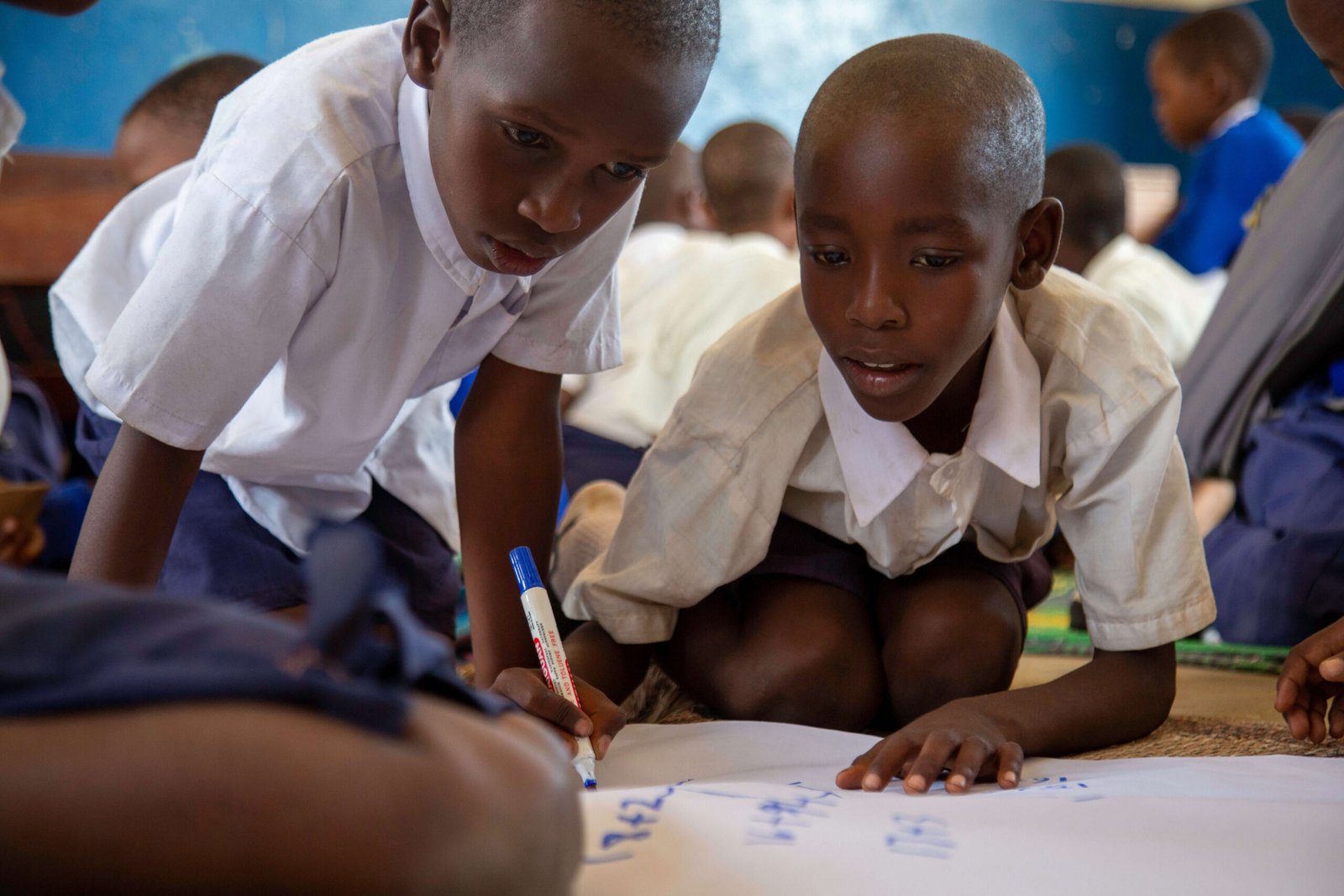
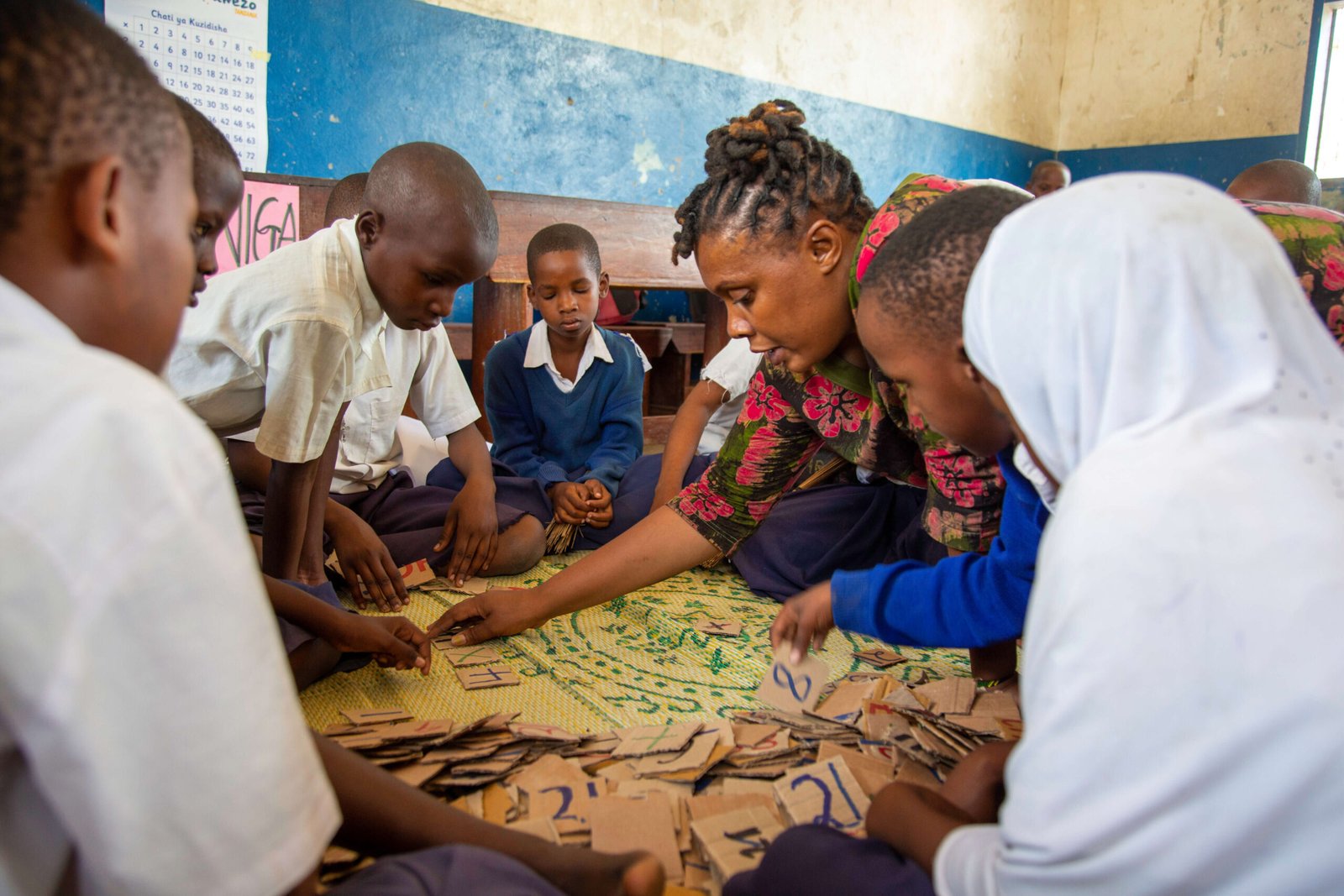
As students began participating in the Life Skills sessions, a noticeable shift emerged in Jackson's mathematics classes. Learners who once hesitated to tackle difficult questions started engaging more actively in lessons. They became more willing to ask questions, discuss ideas with their classmates, and explore different approaches to solving problems. "In mathematics, critical thinking is everything," Jackson says. "A student may tell you that the answer is two, but what matters most is understanding how they arrived at that answer. We want students to explain their reasoning, not simply provide a result. The Life Skills programme has helped them develop that mindset." For Jackson, one of the most encouraging changes has been the way students now approach challenges. Instead of seeing difficult questions as obstacles, many learners have begun viewing them as problems that can be broken down and solved step by step. "Mathematics is full of puzzles," he explains. "You might know how to divide numbers or perform calculations, but if you do not fully understand what the question is asking, you will struggle to find the correct solution. Through Life Skills, students are learning to pause, think carefully, and analyze information before responding." The result has been a significant boost in both confidence and participation. Students who once feared mathematics are becoming more comfortable tackling complex exercises, knowing they have the tools to work through challenges independently. "When students develop critical thinking skills, mathematics becomes much less intimidating," Jackson says. "They stop fearing difficult questions because they gain confidence in their ability to analyze problems and find solutions. That confidence extends beyond the classroom into other areas of their lives as well." But the impact of the programme has gone far beyond academic achievement. Teacher Jackson says he has also witnessed remarkable changes in students' behavior, attitudes, and relationships with others. Lessons on cooperation, communication, and empathy have helped learners develop stronger interpersonal skills and a greater sense of responsibility. "Respect is one of the most important values a child can learn," he says. "Today, when parents or visitors come to school, students are quick to welcome them, offer assistance, and interact respectfully. We are seeing a level of responsibility and consideration that was not as common before." He believes these social and emotional skills are just as important as academic success. "Even the brightest student cannot succeed alone," he explains. "Children need support from teachers, parents, and their fellow students. Respect helps build those relationships, and strong relationships create a better environment for learning." Looking back, Jackson believes the introduction of Life Skills has helped create a more holistic learning environment at Msasani Primary School, one that nurtures both academic excellence and personal growth.