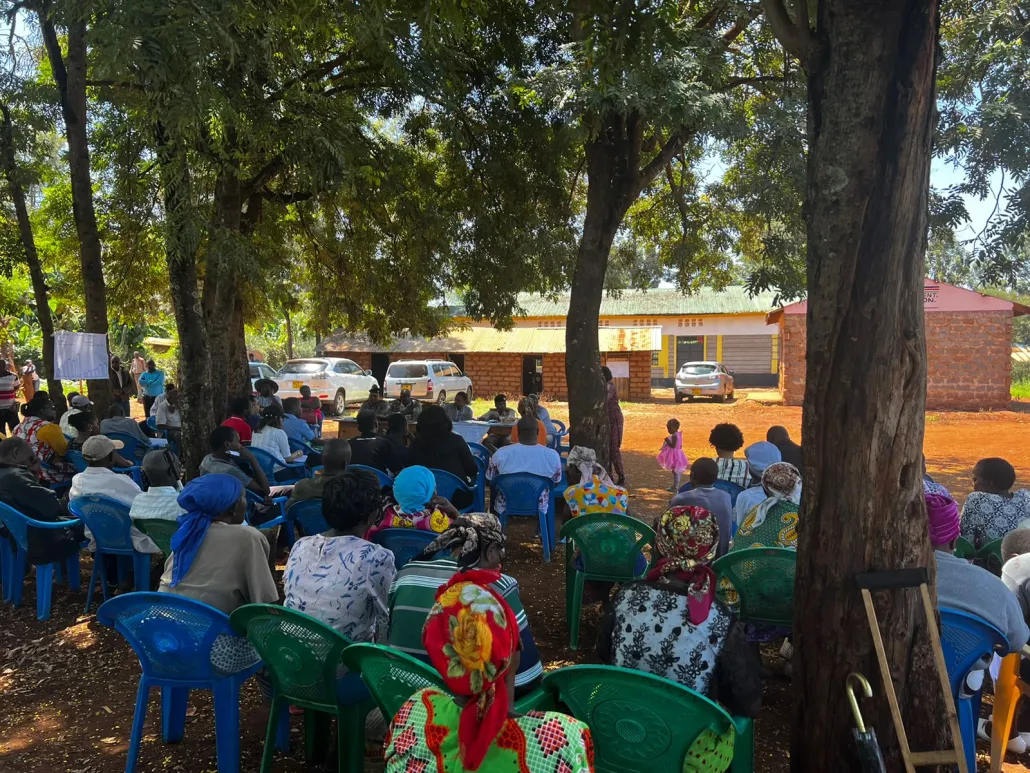


For years, many parents in Bagamoyo, Pwani, believed that children should simply follow instructions. Decisions were made by adults, and young people were expected to listen rather than contribute. At school, students rarely had platforms to express their views, and children who struggled to learn were often labeled as stubborn or difficult. Today, that story is changing. Through a 10-week Life Skills Training Campaign implemented by OCODE in partnership with Uwezo Tanzania under the ALiVE project, communities are beginning to see children not merely as recipients of guidance, but as active problem-solvers capable of contributing ideas, making decisions, and helping shape their own futures. According to Rajabu Mshamu, one of the facilitators of the campaign, the transformation did not happen overnight. It started with helping community members understand that life skills are not abstract concepts taught only in classrooms, they are practical abilities that people use every day to navigate challenges. “Life skills are not something strange that people do not have,” Rajabu explains. “We are born with the potential to think, communicate, and solve problems. The challenge is learning how to use those abilities effectively in our daily lives. That is why we focused on helping people understand problems, identify their root causes, and find solutions together.” The campaign brought together parents, students, teachers, and religious leaders through community meetings, school activities, and discussions in places of worship. Rather than delivering lectures, facilitators encouraged participation and dialogue. “We did not want to come as experts who know everything,” Rajabu recalls. “We wanted people to feel that they were part of the process. We sat with them, listened to their experiences, and worked together to find solutions. When people feel respected and heard, they are more willing to embrace change.” One of the most significant outcomes emerged in families. Before the training, many parents viewed children as too young to contribute meaningfully to household decisions. However, as discussions on problem-solving and communication deepened, parents began recognizing that their children could offer valuable perspectives. Rajabu remembers one example that stood out.
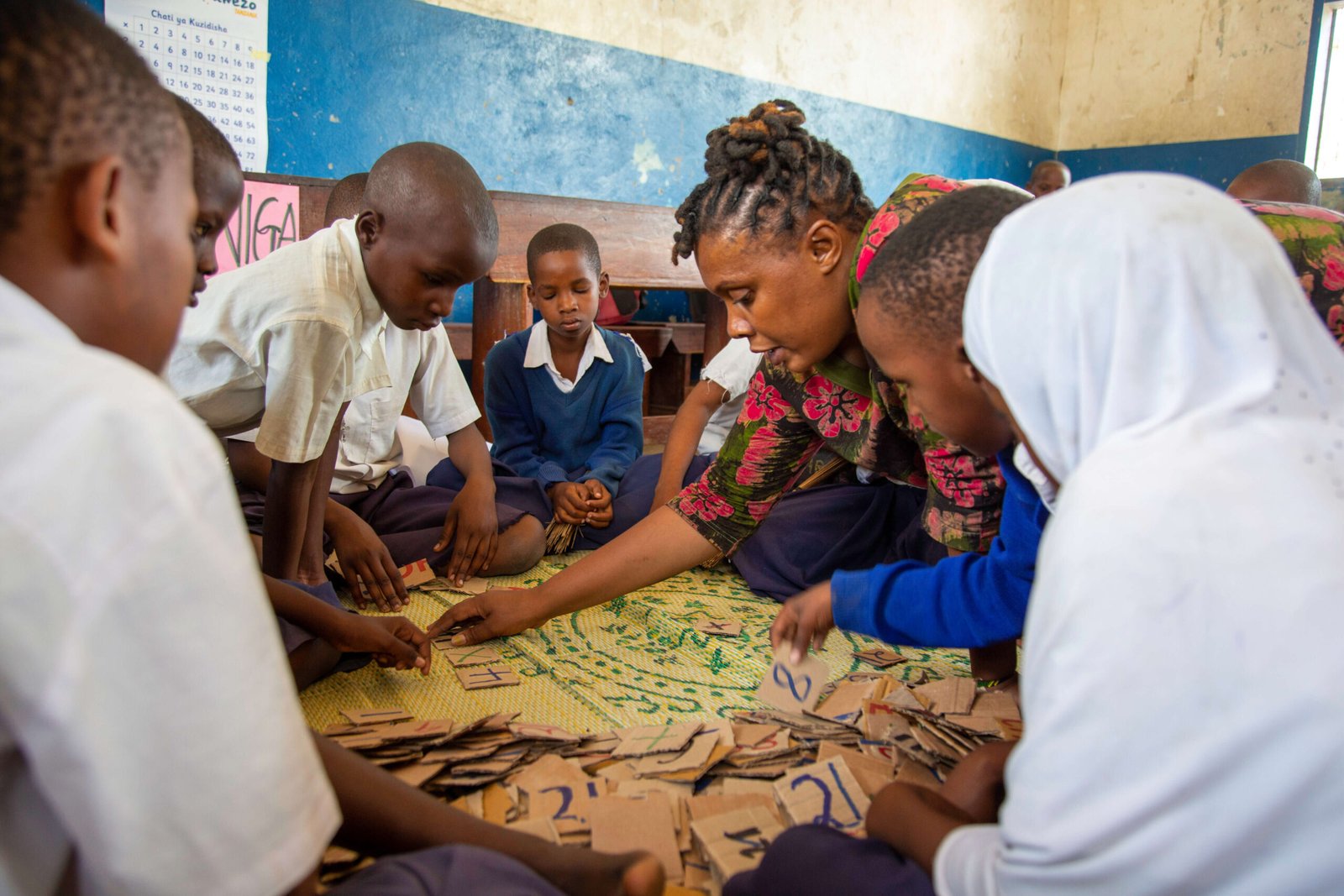
“We started hearing parents say things we had never heard before. A father who was planning to buy a farm told us that instead of making the decision alone, he sat down with his children and asked, ‘We are thinking of buying a farm. What do you think? Do you have any ideas that could help us make a better decision?’ That may sound like a small thing, but for many families it was a major shift. Parents were beginning to see that children also have ideas worth listening to.” The change extended beyond decision-making. The training challenged harmful assumptions about children with learning difficulties. Previously, some parents described such children as hard-headed or stubborn. Through practical demonstrations using locally available materials such as pots, household items, and everyday objects, parents learned that many learning challenges require support and understanding rather than punishment. “Many parents realized that the problem was not that the child was difficult,” Rajabu says. “The real issue was that they had never understood how the child learns. Once they started using simple materials from their homes and engaging with their children differently, they saw progress. They stopped blaming the child and started looking for solutions.” Despite these successes, the journey was not without challenges. Some parents initially worried that teaching children to express their opinions would encourage arrogance or disrespect toward elders. However, as they began witnessing positive changes in their homes, schools, and communities, attitudes gradually shifted. “At first, some people thought we were teaching children to challenge authority,” Rajabu says. “But over time they saw that we were teaching them how to think, communicate, and solve problems responsibly. The more people experienced the benefits, the more they wanted to be involved.” The growing demand for additional life skills training became one of the clearest indicators of success. Community members began requesting sessions on self-awareness and other life skills beyond problem-solving, demonstrating both ownership of the initiative and a desire for continued learning. For Rajabu, the transformation can best be described through a simple metaphor. “When we started, it felt like we were crawling. People were unsure, and many did not understand why these skills mattered. Today, we can confidently say we are walking. Parents are involving children in decisions, teachers are listening more, and communities are solving problems together. We have not reached the finish line yet, but we are moving forward. And if we continue building on these foundations, the day will come when we are running.” This demonstrates that meaningful change does not always begin with large investments or complex interventions. Sometimes it starts with a conversation, a parent asking a child for their opinion, a teacher listening to a student’s idea, or a community choosing to solve a problem together.And in those moments, lives begin to change.